In my observations of the ever-evolving marketplace, I've noticed a fascinating trend where brands are increasingly adopting unconventional packaging strategies to stand out. I like to call this phenomenon Shelf Shifters — a clever approach that disrupts traditional norms, surprising consumers with unexpected forms and functions. From sunscreen in whipped-cream cans to tampons in ice-cream tubs, brands are transforming their packaging into the very billboard that captures attention. This trend is one that Indian D2C brands should wholeheartedly embrace, as it offers a unique opportunity to connect with consumers in an engaging and memorable way.
Shelf Shifters capture attention by disrupting category norms. When packaging defies expectations, it creates a moment of surprise, forcing shoppers to stop and take a second look. This disruption is especially valuable in categories where consumers make split-second decisions.
Today, most brands navigate a hybrid retail environment that blends both physical and digital realms. This blend offers brands a chance to innovate and rise above the clutter. The digital retail space allows for presenting brands in a context uniquely their own, liberating them from the constraints of traditional category cues. This freedom paves the way to reimagine concepts like ‘Front of Pack’ and ‘Back of Pack’.
In physical retail, steering clear of the ‘me too’ mentality becomes pivotal. Products in the same sub-category are often grouped together, making it essential for a brand to leap off the shelves to captivate a consumer’s attention. Yet, many brands paradoxically choose to mirror the visual styles of category leaders, adhering almost religiously to established cues. This often results in a ‘sea of sameness’, where distinct brand identifiers like colours and forms are misconstrued as category cues.
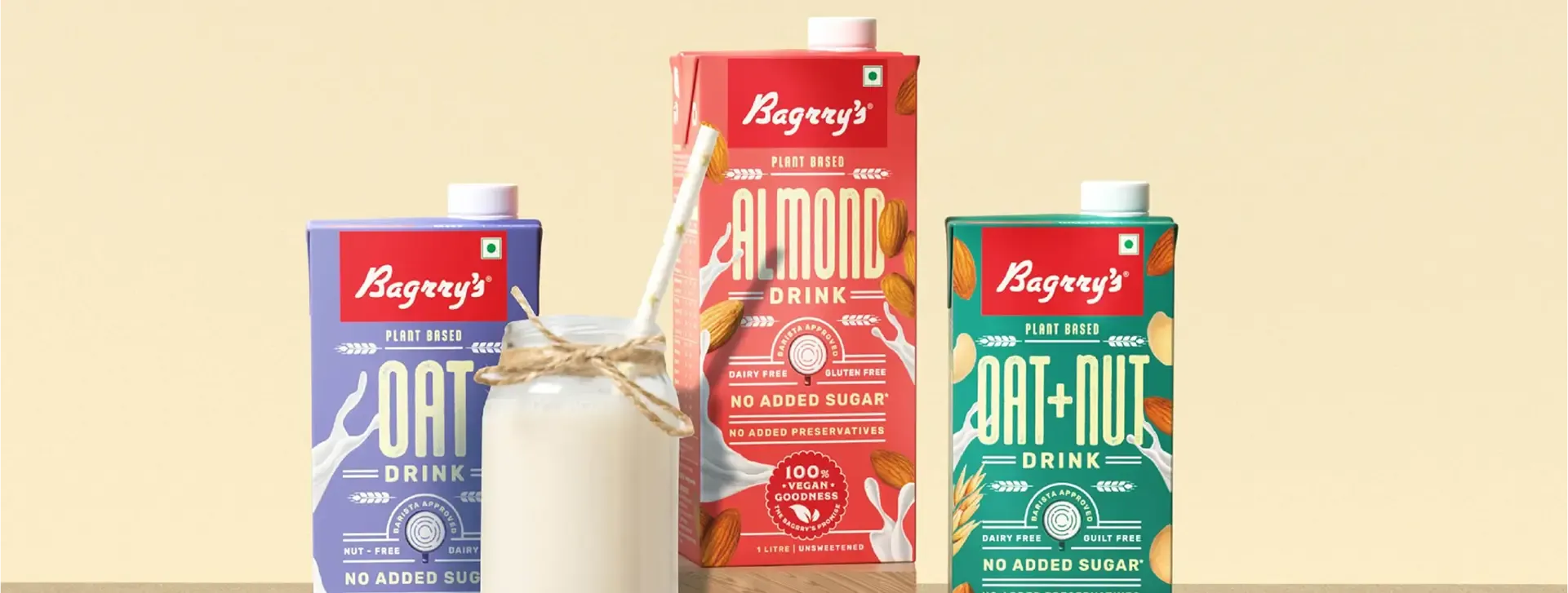
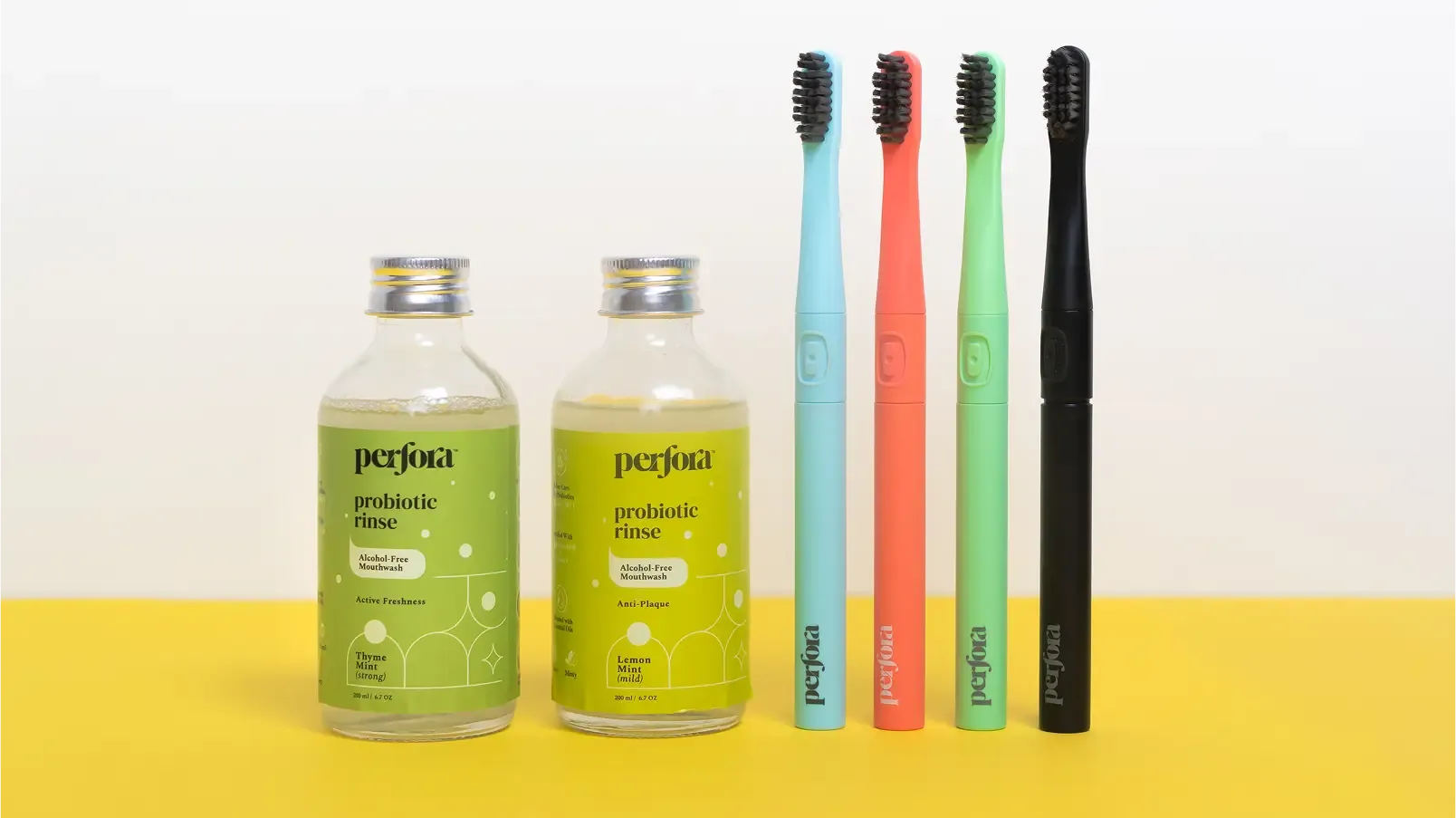
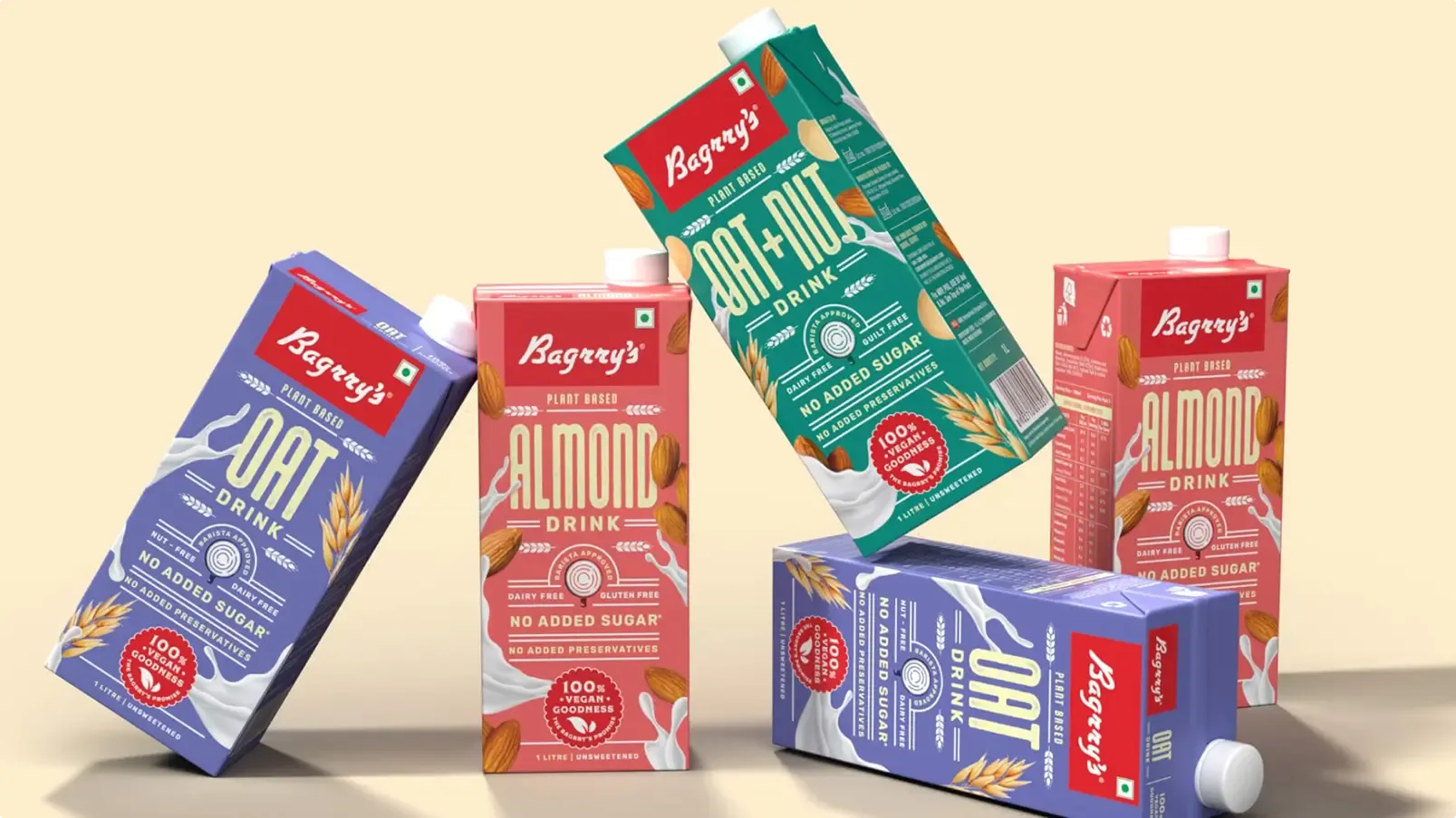
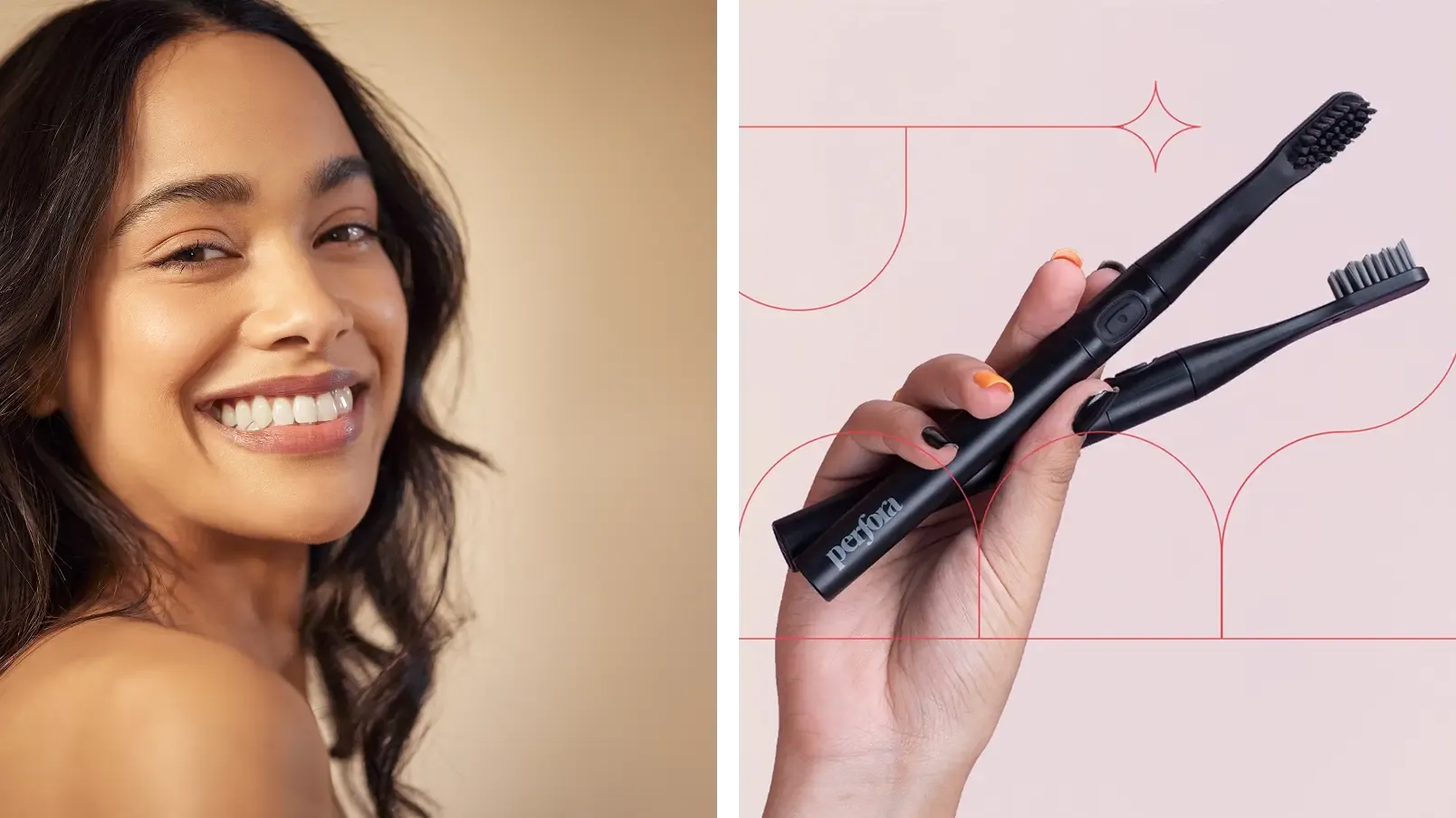
Shelf Shifters do more than stand out on the shelf. They generate organic buzz, particularly on social media, where unique packaging can go viral. In the Indian market, we’ve seen this with brands like Perfora and Bagrry’s, creating memorable consumer experiences. The storytelling embedded in their packaging goes beyond the product; it’s about creating an emotional connection with their audience. This trend towards innovative packaging is also a response to broader market changes. As logistics costs rise and consumers gravitate towards one-stop shopping, direct-to-consumer brands are finding it harder to compete. As advertising becomes pricier, brands should be turning to Shelf Shifters as a cost-effective way to grab attention and communicate their values.
While Shelf Shifters can create buzz, there is a fine line between innovative and impractical. Puracy, a cleaning brand, found itself in hot water when it launched refill products in cans resembling soft drinks. Parents raised concerns that children could mistake the brightly coloured cans for beverages. The company had to quickly pivot, redesigning the packaging to be safer while maintaining its sustainability ethos.
Despite the risks, newer brands have more freedom to experiment with packaging than established companies, which often stick to traditional designs to reassure existing customers. Familiar packaging can convey reliability, especially in uncertain times, but for challenger brands looking to make an impact, Shelf Shifters are a powerful tool.
Packaging has always been far more than a container — it can speak volumes about your brand in a split second.